
Should You Fertilize During a Drought? What Eastern Idaho Homeowners Need to Know
Why Proper Fertilization May Matter More Than Ever During Eastern Idaho's Water Shortages
If you've spent any time watching the news, talking with neighbors, or attending irrigation meetings lately, you've probably heard one word over and over:
Drought.
Across much of the western United States—and especially here in Eastern Idaho—water shortages are becoming one of the biggest concerns homeowners face this year.
We live in a high-mountain desert, but it's easy to forget that when irrigation water is plentiful. For years, many homeowners have been able to water their lawns and landscapes without giving much thought to where that water comes from.
This year is different.
With irrigation districts discussing reduced allocations and some canal users already being told to expect cutbacks, many homeowners are wondering what they can do to protect their lawns and trees if water becomes limited.
One question we expect to hear frequently is:
"If my lawn is going to be stressed from drought anyway, should I even bother fertilizing?"
Our answer is simple:
A drought is one of the worst times to stop caring for your lawn and trees.
Plant Health Starts Below The Surface
When most people look at a lawn, they focus on what they can see above ground.
The color.
The growth.
The appearance.
But the most important part of the plant is often hidden underground.
The roots.
When water becomes limited, a healthy root system becomes the plant's lifeline.
Roots are responsible for finding and absorbing moisture from the soil. The healthier and more developed the root system, the better equipped a lawn or tree is to withstand environmental stress.
At Evergreen Lawn & Tree, our goal isn't simply to create excessive growth.
Our focus is plant health.
Healthy plants consistently outperform unhealthy plants when conditions become difficult.
Drought Preparation Starts Before The Drought
One of the biggest misconceptions homeowners have is that drought preparation begins when water restrictions arrive.
In reality, drought preparation begins months—or even years—before drought conditions become severe.
A lawn that has been properly fertilized and maintained develops stronger overall health and vigor than a lawn that has been neglected.
That difference often becomes visible long before irrigation water is turned on.
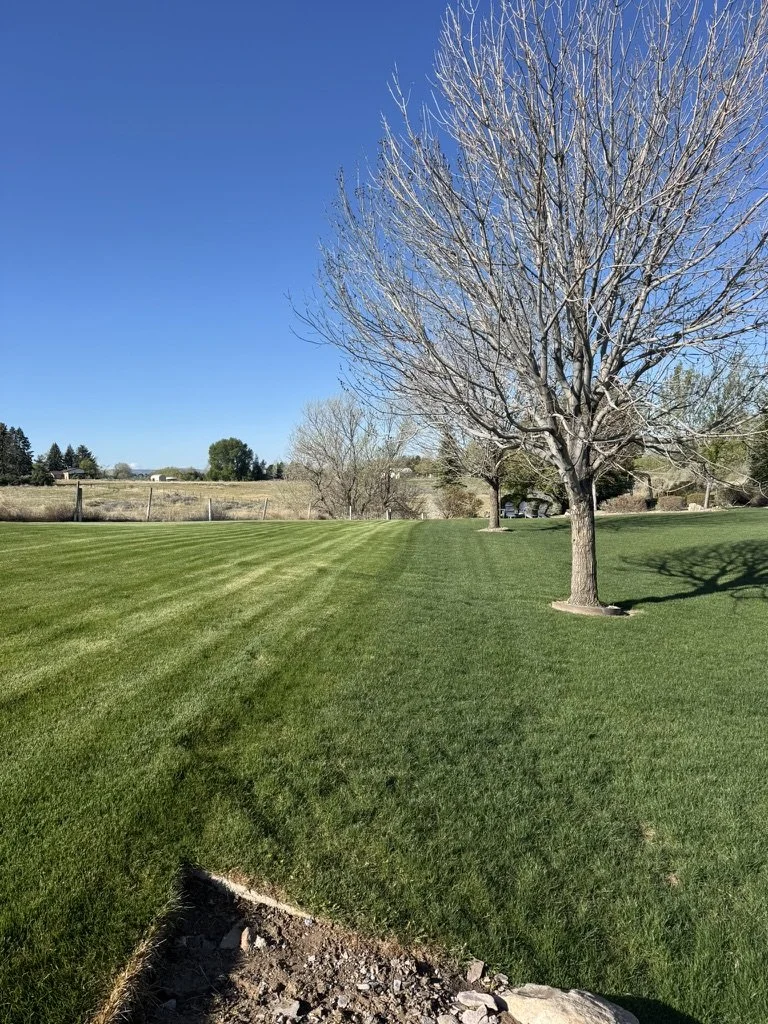
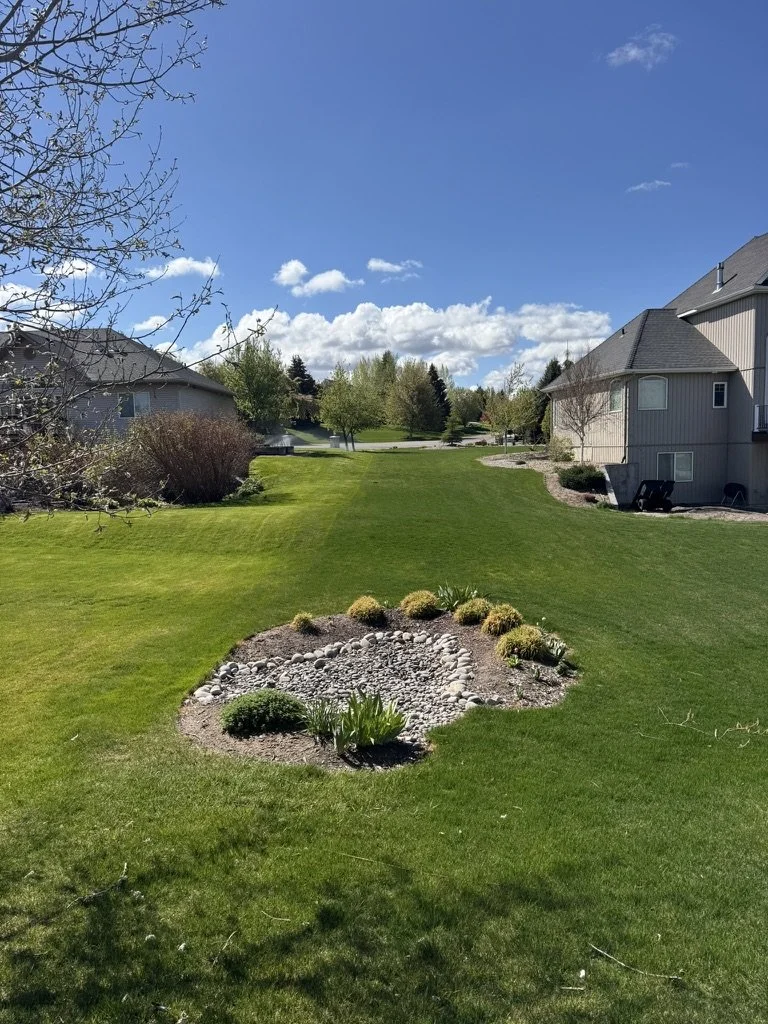
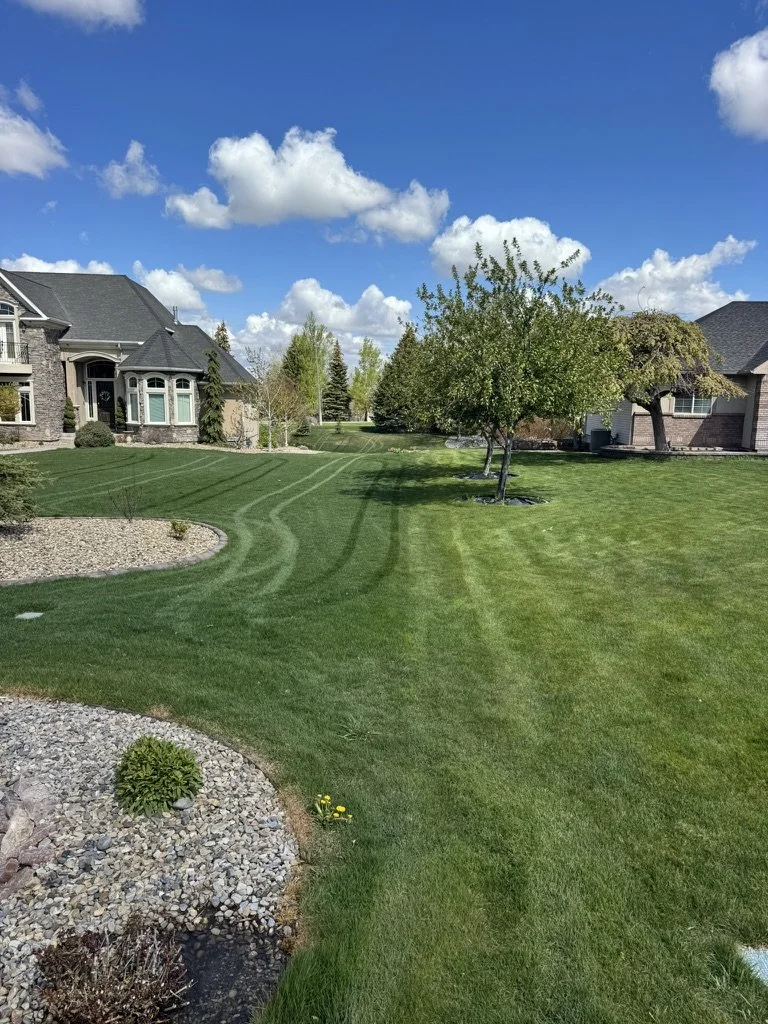
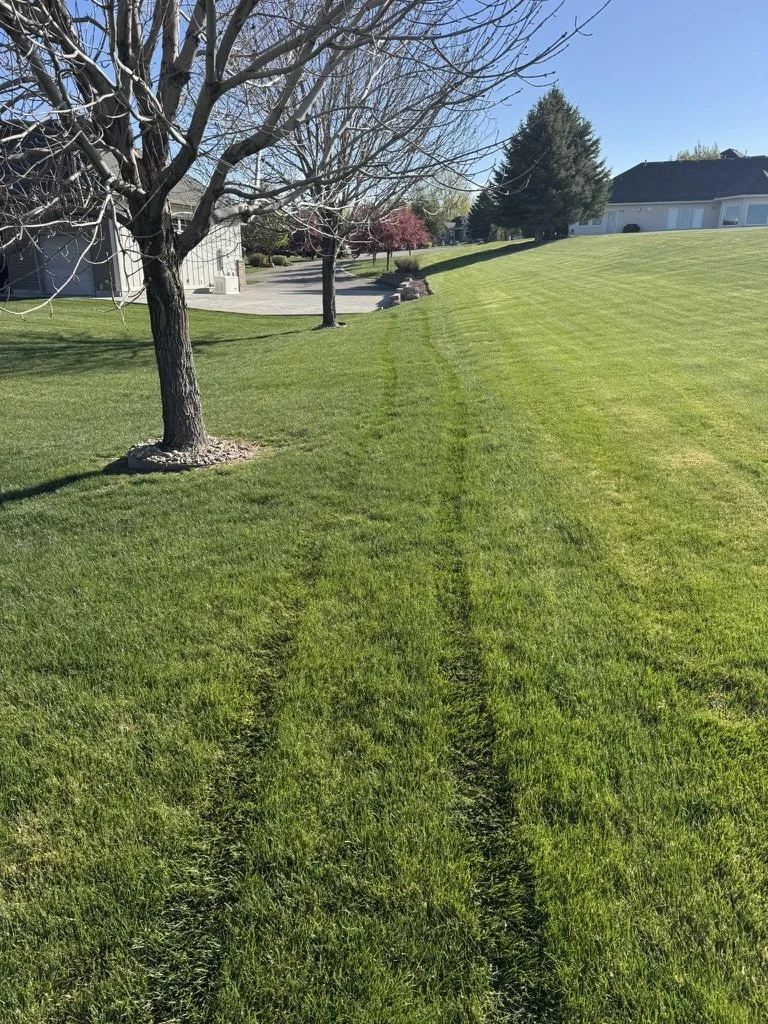
The difference can be surprising.
The healthier lawn isn't just greener.
It's often denser, more vigorous, and actively growing while neighboring lawns remain pale, thin, or slow to respond.
Healthy Plants Handle Stress Better
Regardless of where someone stands on fertilizer use, most people can usually agree on one thing:
Healthy plants have a better chance of surviving stress than unhealthy plants.
Think about it this way.
If you were preparing to run a marathon, would you stop eating nutritious food the week before the race?
Probably not.
You'd want your body operating at its highest level before facing a difficult challenge.
Plants aren't much different.
During periods of environmental stress, proper nutrition helps support overall plant health and recovery.
When homeowners stop fertilizing because they're worried about drought, they're often unintentionally adding another stress factor.
Now the lawn isn't just dealing with limited water.
It's also dealing with reduced nutrition.
Does Fertilizer Cause Drought Stress?
This is another common misconception.
Many people assume fertilizer somehow causes drought stress or automatically burns lawns during dry conditions.
The reality is that drought stress is caused by a lack of available moisture.
Properly applied slow-release fertilizers do not create drought conditions.
In fact, maintaining adequate nutrition helps support healthier plants during stressful periods.
The fertilizer we primarily use in our lawn program is a slow-release granular fertilizer designed to feed turf gradually over time.
Unlike some quick-release products, slow-release fertilizers are not intended to create excessive top growth. Instead, they provide a consistent source of nutrients that support overall plant health.
One of the advantages of slow-release fertilizer is that it remains available when moisture does return. Rather than requiring immediate irrigation to be effective, it can continue feeding the lawn as environmental conditions improve.
Dormancy Is Not Death
One of the most important things homeowners need to understand during a drought is the difference between dormancy and death.
When turfgrass experiences prolonged heat and moisture stress, it may enter dormancy.
Dormancy is a survival mechanism.
The lawn turns brown, and growth slows dramatically as the plant conserves resources until favorable conditions return.
Many homeowners assume a dormant lawn is dead.
In reality, healthy turf can often remain dormant for extended periods and recover when moisture returns.
This is one reason continuing proper lawn care practices remains important.
Just as we fertilize lawns in the fall to prepare them for winter, maintaining nutrition during drought conditions helps support the plant's ability to recover when better conditions return.
The Last Thing You Want To Do During A Drought
If severe drought conditions continue throughout Eastern Idaho, many homeowners will understandably look for ways to reduce expenses.
One of the first things some people consider cutting is lawn and tree care.
Ironically, that may be the last thing you want to do.
Drought already places significant stress on your landscape.
Removing nutrition and preventative care can add even more stress at a time when plants need every advantage they can get.
While fertilizer cannot replace water, proper nutrition helps support healthier plants, stronger recovery, and better overall resilience when conditions become difficult.
The Bottom Line
Water shortages and drought conditions may be outside our control.
How we prepare our lawns and trees is not.
Healthy roots, proper nutrition, and consistent care all contribute to a landscape's ability to withstand stress and recover when conditions improve.
If Eastern Idaho experiences significant watering restrictions this year, the goal shouldn't be to abandon plant health programs.
The goal should be to give your lawn and trees the best possible chance to weather the drought and recover successfully when better conditions return.